شومنيه

$0.00

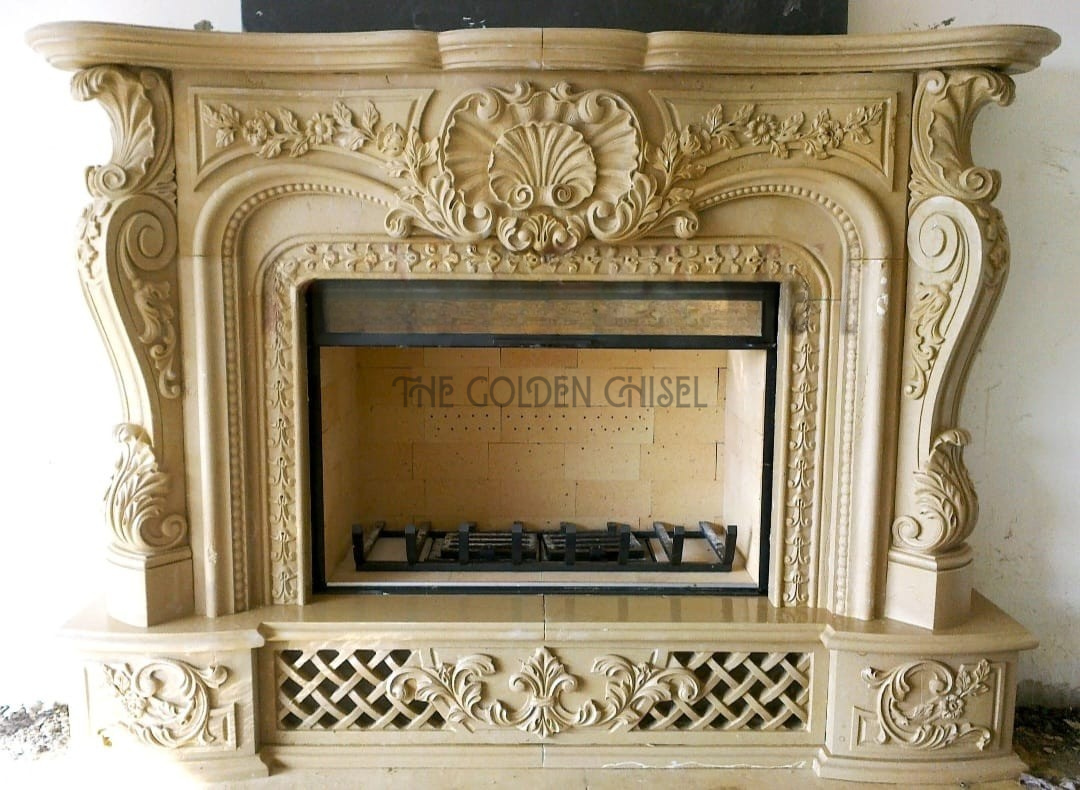
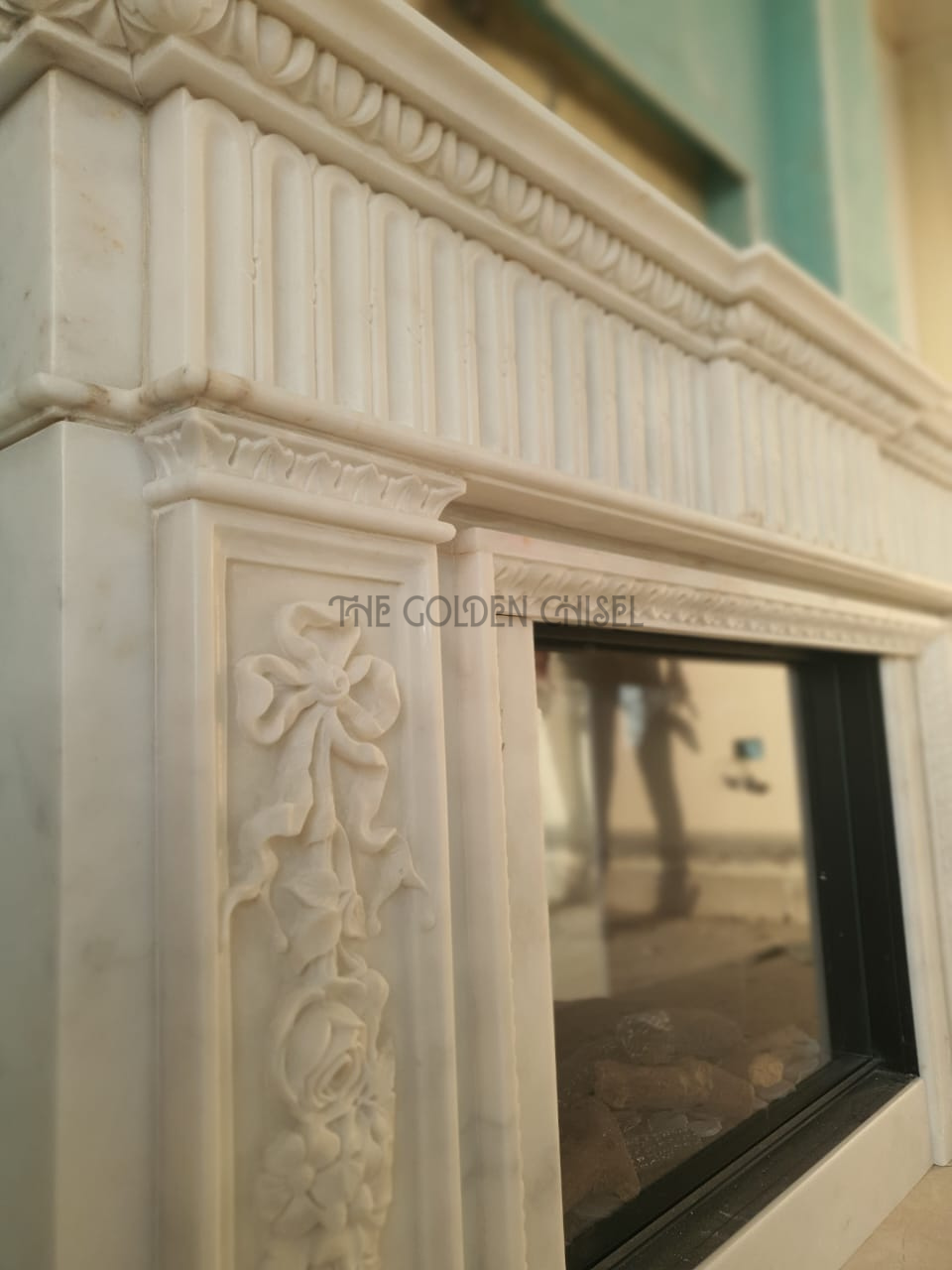
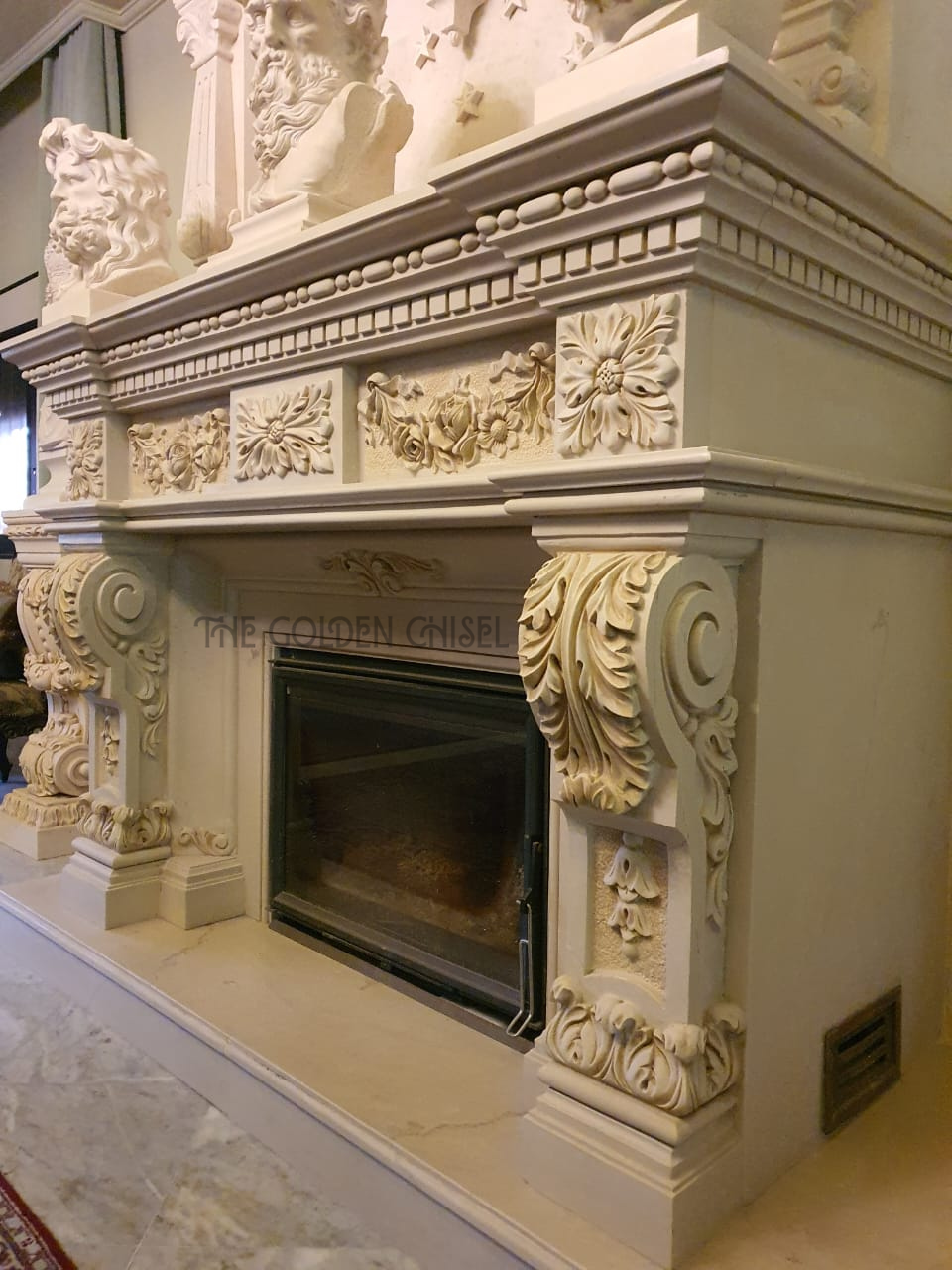
وصف لشومنيه حجرية

A stone chimney (Arabic: شومنيه حجرية) is a structural and decorative feature commonly used for venting smoke and gases from fireplaces, stoves, or furnaces while also serving as an architectural focal point. Below is a concise explanation covering types, materials, construction, benefits, maintenance, and typical considerations.

What it is

  • A stone chimney consists of a vertical shaft built from natural stone (such as granite, limestone, fieldstone, or sandstone) or manufactured stone veneer. It includes an internal flue that directs combustion byproducts safely out of the building and an external stone cladding or masonry structure.

Common types

  • Masonry chimney: Built with solid stone or stone combined with mortar. Often includes a clay flue liner or modern stainless-steel liner.

  • Veneer stone chimney: A structural chimney (often concrete block or metal) faced with thin natural or cast stone for appearance.

  • Prefabricated chimney with stone surround: Factory-made metal chimney enclosed by a decorative stone exterior.

Materials

  • Natural stones: Durable, heavy, and aesthetically varied (colors, textures). Common choices include granite, basalt, limestone, and fieldstone.

  • Manufactured stone: Lightweight, consistent, easier to install, and cost-effective.

  • Mortar and reinforcement: Cement-based mortar, metal ties, flashing, and sometimes stainless-steel anchors or rebar for structural stability.

  • Flue liners: Clay tiles, cast-in-place refractory liners, or stainless-steel liners for improved safety and longevity.

Construction elements

  • Chimney base and foundation: Must rest on a solid foundation below frost line to prevent settling and cracking.

  • Flue and liner: Properly sized for the appliance and constructed to prevent leakage of gases and to resist high temperatures.

  • Chimney crown and cap: A poured concrete crown protects the top from water penetration. A chimney cap keeps out rain, animals, and debris and prevents downdrafts.

  • Flashing: Metal flashing seals the junction between the chimney and roof to prevent leaks.

  • Reinforcement: Metal straps, anchors, or reinforcement bars may be used to secure the stone facing.

Benefits

  • Durability: Properly built stone chimneys can last many decades.

  • Aesthetics: Natural stone provides a timeless, rustic, or elegant look that enhances curb appeal.

  • Thermal mass: Stone can absorb and radiate heat, contributing to fireplace performance and comfort.

  • Increased property value: A well-crafted stone chimney can be a desirable architectural feature.

Common issues and maintenance

  • Water infiltration: The leading cause of damage; water can freeze and expand, causing mortar and stone deterioration. Regular inspection and sealing of the crown, mortar joints, and flashing are essential.

  • Cracked mortar and spalling stone: Caused by freeze-thaw cycles or settling. Repointing (renewing mortar joints) or replacing damaged stones is required.

  • Creosote buildup: In wood-burning chimneys, creosote accumulates inside the flue and is a fire hazard; regular chimney sweeping is necessary.

  • Chimney leaning or settling: May indicate foundation problems; requires structural assessment and remediation.

  • Corrosion of metal components: Flashing, caps, and liners can corrode and should be inspected periodically.

Safety and codes

  • Compliance: Must meet local building codes for chimney height, clearance to combustibles, cap requirements, and flue sizing for the specific heating appliance.

  • Professional inspection: Annual inspections by a certified chimney professional are recommended, especially for active wood-burning fireplaces.

  • Liner installation: Installing or repairing flue liners improves safety and efficiency.

Design considerations

  • Style and finish: Choose stone type, size, and joint style to match architectural context—rustic fieldstone, smooth cut stone, or stacked stone veneer.

  • Proportion and scale: Chimney size should be proportional to the building and to the fireplace opening.

  • Integration with masonry fireplaces: The hearth, firebox, and chimney should be designed together for performance and appearance.

  • Venting needs: Size and number of flues depend on the number and type of appliances being vented.

Cost factors

  • Material choice (natural vs. manufactured stone)

  • Complexity of foundation and structural work

  • Need for liners, caps, and flashing upgrades

  • Labor and local building-code requirements

Summary A stone chimney combines functional venting with architectural presence. When properly designed, constructed, and maintained, it offers durable performance, safety for combustible appliance operation, and an attractive addition to a home. Regular inspection and timely repairs—especially addressing water protection, flue integrity, and creosote removal—ensure longevity and safe use.

وصف لشومنيه حجرية

A stone chimney (Arabic: شومنيه حجرية) is a structural and decorative feature commonly used for venting smoke and gases from fireplaces, stoves, or furnaces while also serving as an architectural focal point. Below is a concise explanation covering types, materials, construction, benefits, maintenance, and typical considerations.

What it is

  • A stone chimney consists of a vertical shaft built from natural stone (such as granite, limestone, fieldstone, or sandstone) or manufactured stone veneer. It includes an internal flue that directs combustion byproducts safely out of the building and an external stone cladding or masonry structure.

Common types

  • Masonry chimney: Built with solid stone or stone combined with mortar. Often includes a clay flue liner or modern stainless-steel liner.

  • Veneer stone chimney: A structural chimney (often concrete block or metal) faced with thin natural or cast stone for appearance.

  • Prefabricated chimney with stone surround: Factory-made metal chimney enclosed by a decorative stone exterior.

Materials

  • Natural stones: Durable, heavy, and aesthetically varied (colors, textures). Common choices include granite, basalt, limestone, and fieldstone.

  • Manufactured stone: Lightweight, consistent, easier to install, and cost-effective.

  • Mortar and reinforcement: Cement-based mortar, metal ties, flashing, and sometimes stainless-steel anchors or rebar for structural stability.

  • Flue liners: Clay tiles, cast-in-place refractory liners, or stainless-steel liners for improved safety and longevity.

Construction elements

  • Chimney base and foundation: Must rest on a solid foundation below frost line to prevent settling and cracking.

  • Flue and liner: Properly sized for the appliance and constructed to prevent leakage of gases and to resist high temperatures.

  • Chimney crown and cap: A poured concrete crown protects the top from water penetration. A chimney cap keeps out rain, animals, and debris and prevents downdrafts.

  • Flashing: Metal flashing seals the junction between the chimney and roof to prevent leaks.

  • Reinforcement: Metal straps, anchors, or reinforcement bars may be used to secure the stone facing.

Benefits

  • Durability: Properly built stone chimneys can last many decades.

  • Aesthetics: Natural stone provides a timeless, rustic, or elegant look that enhances curb appeal.

  • Thermal mass: Stone can absorb and radiate heat, contributing to fireplace performance and comfort.

  • Increased property value: A well-crafted stone chimney can be a desirable architectural feature.

Common issues and maintenance

  • Water infiltration: The leading cause of damage; water can freeze and expand, causing mortar and stone deterioration. Regular inspection and sealing of the crown, mortar joints, and flashing are essential.

  • Cracked mortar and spalling stone: Caused by freeze-thaw cycles or settling. Repointing (renewing mortar joints) or replacing damaged stones is required.

  • Creosote buildup: In wood-burning chimneys, creosote accumulates inside the flue and is a fire hazard; regular chimney sweeping is necessary.

  • Chimney leaning or settling: May indicate foundation problems; requires structural assessment and remediation.

  • Corrosion of metal components: Flashing, caps, and liners can corrode and should be inspected periodically.

Safety and codes

  • Compliance: Must meet local building codes for chimney height, clearance to combustibles, cap requirements, and flue sizing for the specific heating appliance.

  • Professional inspection: Annual inspections by a certified chimney professional are recommended, especially for active wood-burning fireplaces.

  • Liner installation: Installing or repairing flue liners improves safety and efficiency.

Design considerations

  • Style and finish: Choose stone type, size, and joint style to match architectural context—rustic fieldstone, smooth cut stone, or stacked stone veneer.

  • Proportion and scale: Chimney size should be proportional to the building and to the fireplace opening.

  • Integration with masonry fireplaces: The hearth, firebox, and chimney should be designed together for performance and appearance.

  • Venting needs: Size and number of flues depend on the number and type of appliances being vented.

Cost factors

  • Material choice (natural vs. manufactured stone)

  • Complexity of foundation and structural work

  • Need for liners, caps, and flashing upgrades

  • Labor and local building-code requirements

Summary A stone chimney combines functional venting with architectural presence. When properly designed, constructed, and maintained, it offers durable performance, safety for combustible appliance operation, and an attractive addition to a home. Regular inspection and timely repairs—especially addressing water protection, flue integrity, and creosote removal—ensure longevity and safe use.


Make it stand out

It all begins with an idea. Maybe you want to launch a business.

Build it

Maybe you want to turn a hobby into something more. Or maybe you have a creative project to share with the world.